Engineering Projects

Not all consulting projects can be featured due to confidentiality agreements and client privacy. I would be glad to discuss my expertise and recent work in greater detail.

Jump to a project

Nonlinear Structural Analysis of Pipe Plug with Hyperelastic Material and Incremental Bolt Torque SimulationHigh-Pressure Vessel CAD Model and ASME-Compliant Stress Analysis3-D Designed and Fabricated Demonstrative Physics-Based Simulation ModelRevolution Mini-500 Helicopter Frame Analysis and Kit ProductionStructural Analysis of 3-Tier Emergency Egress Ladder for CertificationScaled, Enhanced, and Created Drawing Package for Existing Rail Cab Design Compliant with AAR StandardsP.I.D. Ball Balance3-D Printed Racer

Top Skills Applied as a Design and Stress Engineering Consultant

FEA AnalysisStructuralPressure VesselHyperelasticAnsys / APDL / WorkbenchSpaceClaim / DiscoveryAutodesk / InventorAutoCAD / VaultSolidWorksMachine DesignModeling & DraftingHyperMeshWeld Fatigue AnalysisAARASTMISOGD&TPresentationsOptimizationTimeline ProjectionsRegression AnalysisCollaboration3-D Printing
01

Nonlinear Structural Analysis of Pipe Plug with Hyperelastic Material and Incremental Bolt Torque Simulation

What?

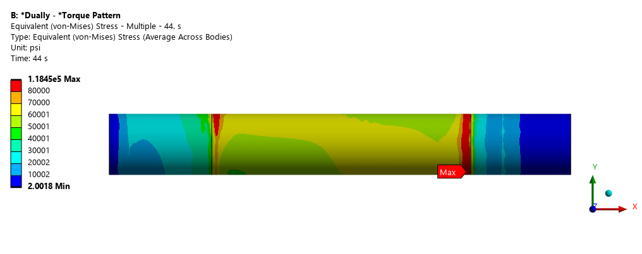
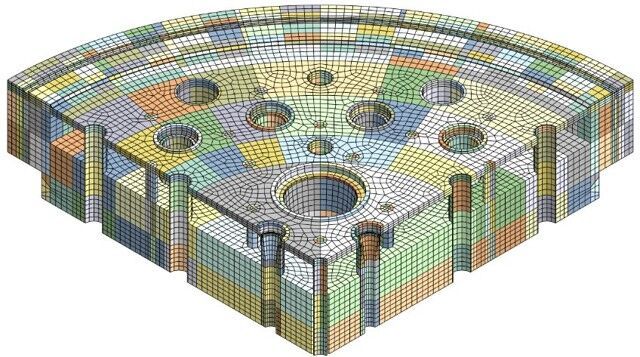
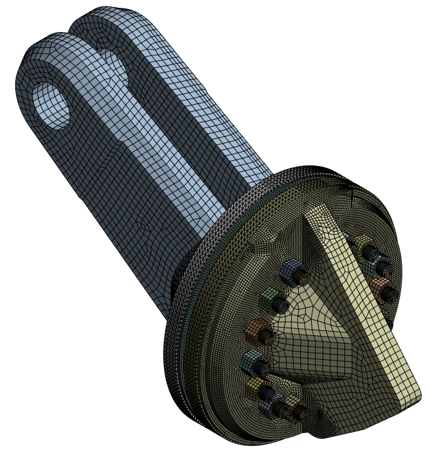
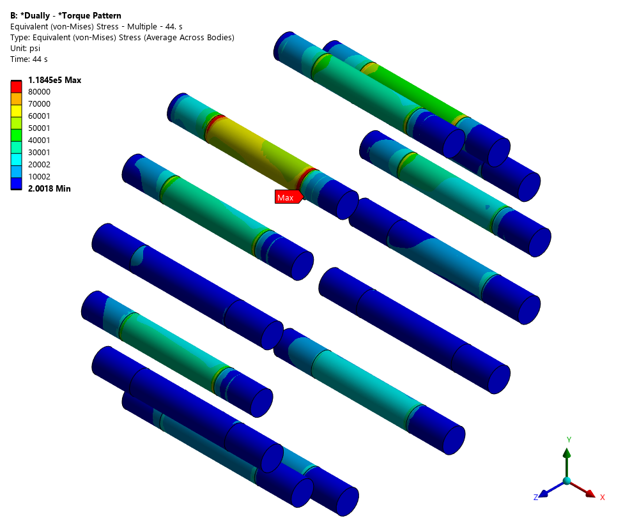
Performed a multi-step finite element analysis on a pipe plug assembly containing hyperelastic materials to evaluate bolt stresses during a prescribed torquing sequence. The project aimed to understand mechanical behavior under realistic loading conditions and validate material assumptions in the absence of complete test data.
How?

Developed a detailed 3D model of the assembly and implemented staged torque application using Ansys Workbench. A comparative study of hyperelastic material models was conducted using limited experimental data. Nonlinear contacts and bolt pretension techniques captured realistic interface behavior and stress evolution throughout the torquing steps.

Results

The analysis captured progressive load transfer and identified critical bolt stress concentrations. A first-order Ogden model, calibrated against available data, best represented the elastomeric components. The simulation supported material selection and torque strategy optimization for sealing performance and mechanical reliability.

02

High-Pressure Vessel CAD Model and ASME-Compliant Stress Analysis

What?

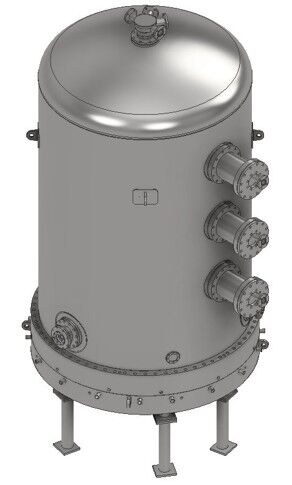
Modeled and analyzed a high-pressure vessel assembly in accordance with the ASME Boiler and Pressure Vessel Code. The work evaluated structural integrity under internal pressure, with particular emphasis on flange, shell, and head performance.

How?

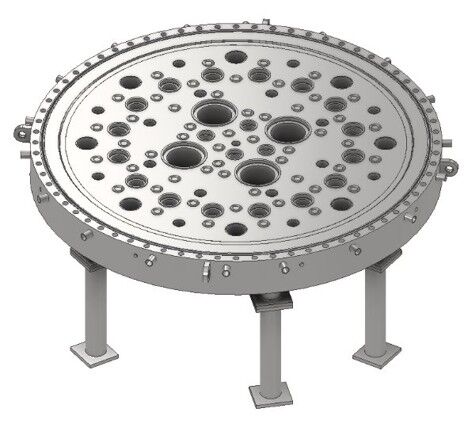
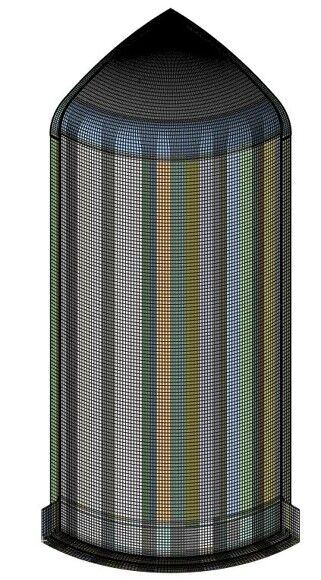
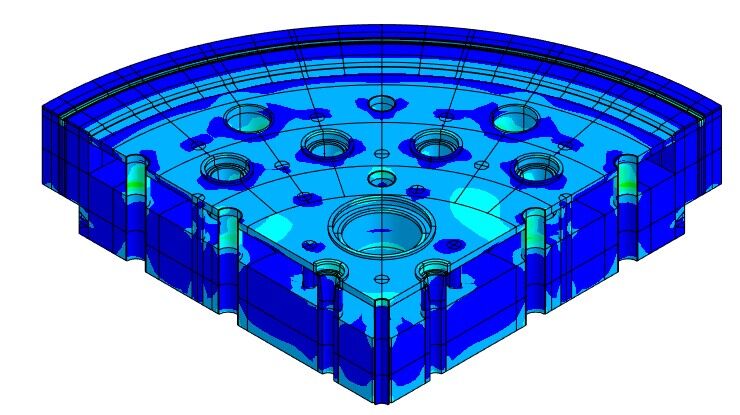
Created a detailed parametric 3D CAD model and performed finite element analysis in Ansys Workbench across critical regions including flange joints, cylindrical shells, and torispherical dished heads. ASME Section VIII Division 2 rules and Stress Classification Lines were used to categorize stresses and assess code-allowable limits.

Results

Validated the vessel design for pressure containment. The SCL-based evaluation confirmed compliance with ASME design margins and supported a structurally sound, code-compliant configuration.

03

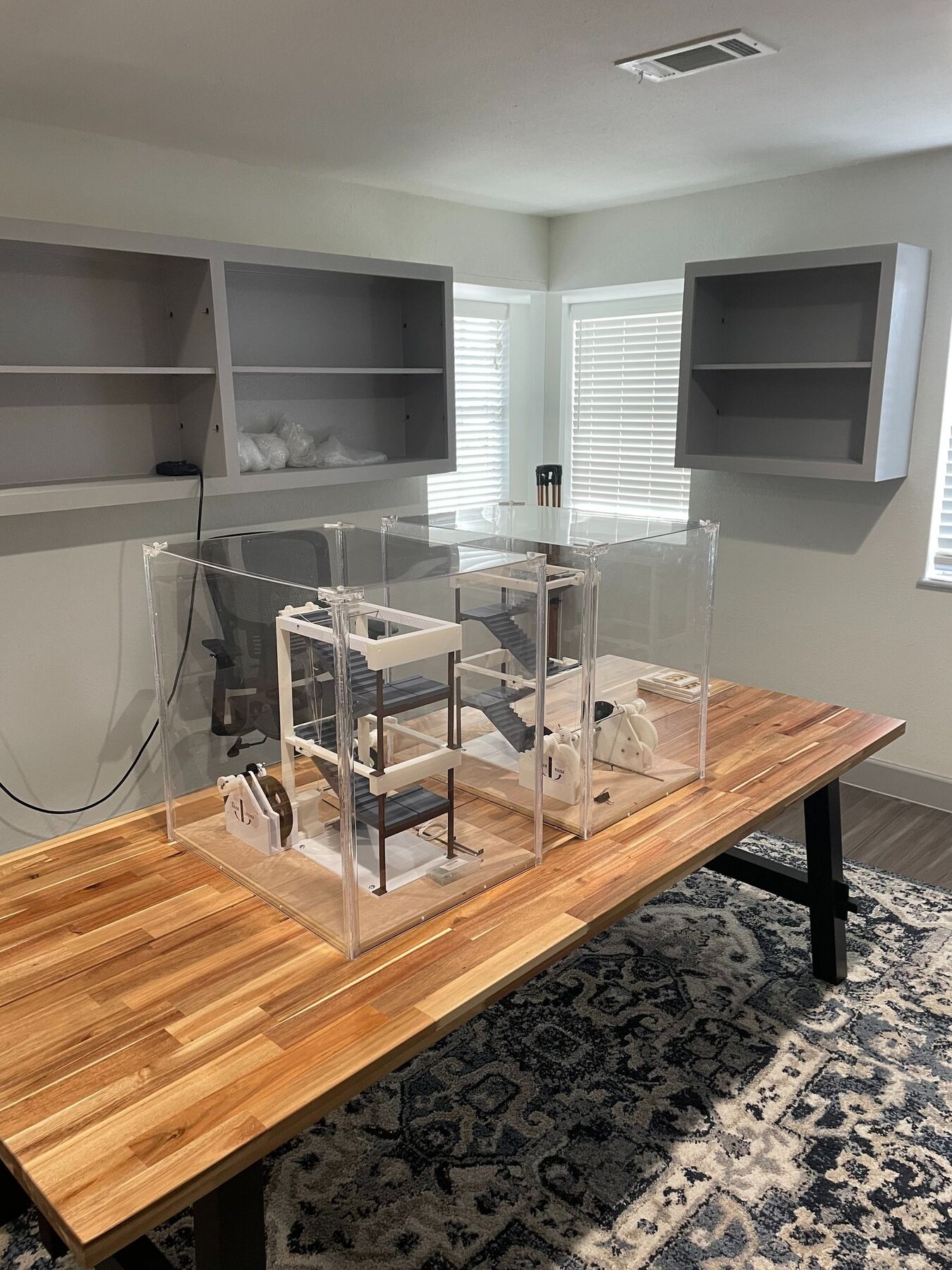
3-D Designed and Fabricated Demonstrative Physics-Based Simulation Model

What?

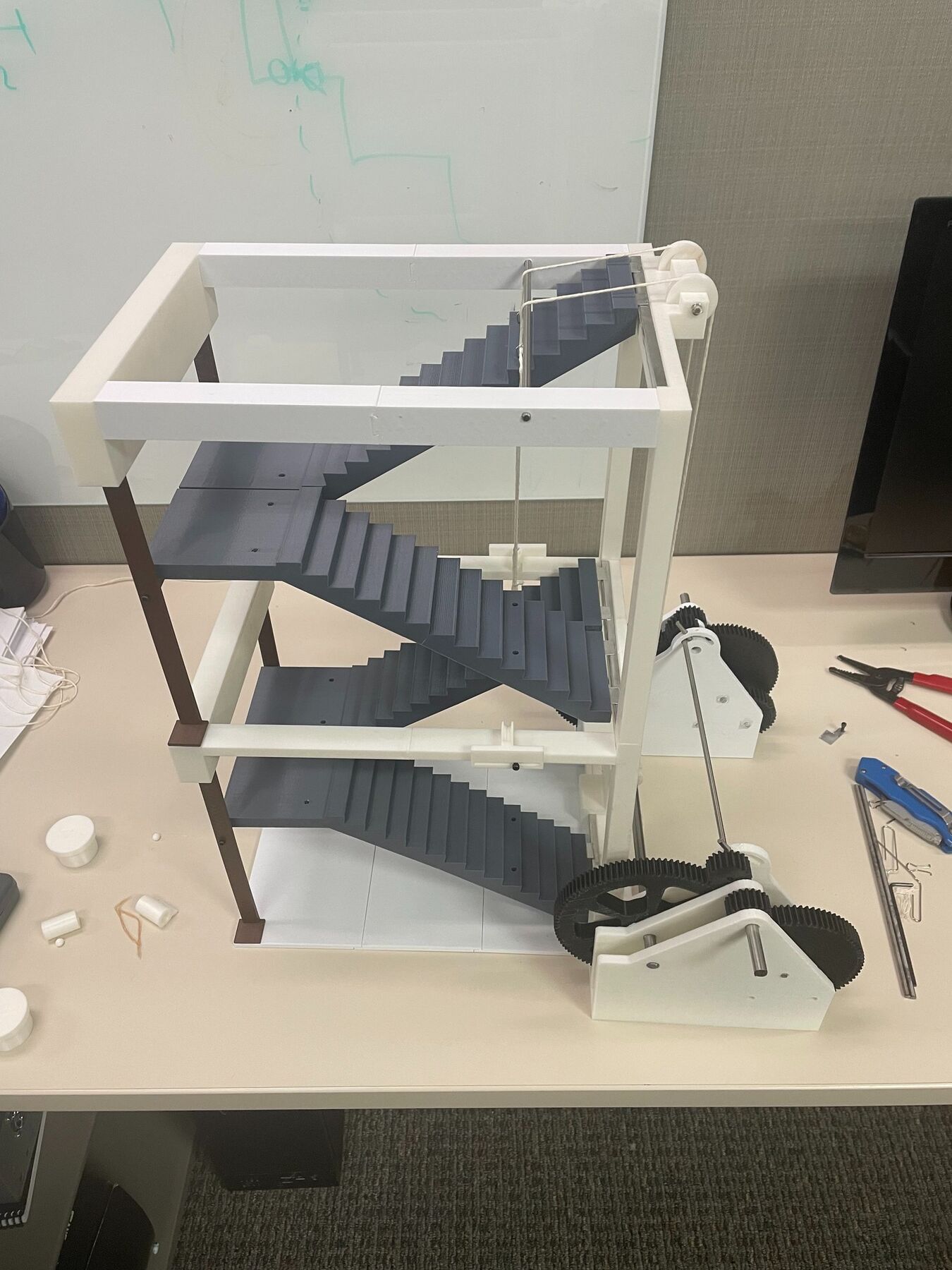
Designed, 3D printed, and fabricated a demonstrative model for courtroom use to visually represent complex physics principles in a legal case.

How?

Used Autodesk Inventor to create an accurate model and fabricated the prototype through additive FDM manufacturing with high-precision PLA materials.

Results

Delivered multiple functional, visually clear, and scientifically accurate models that strengthened courtroom presentations and communication of critical case details to legal teams and jurors.

04

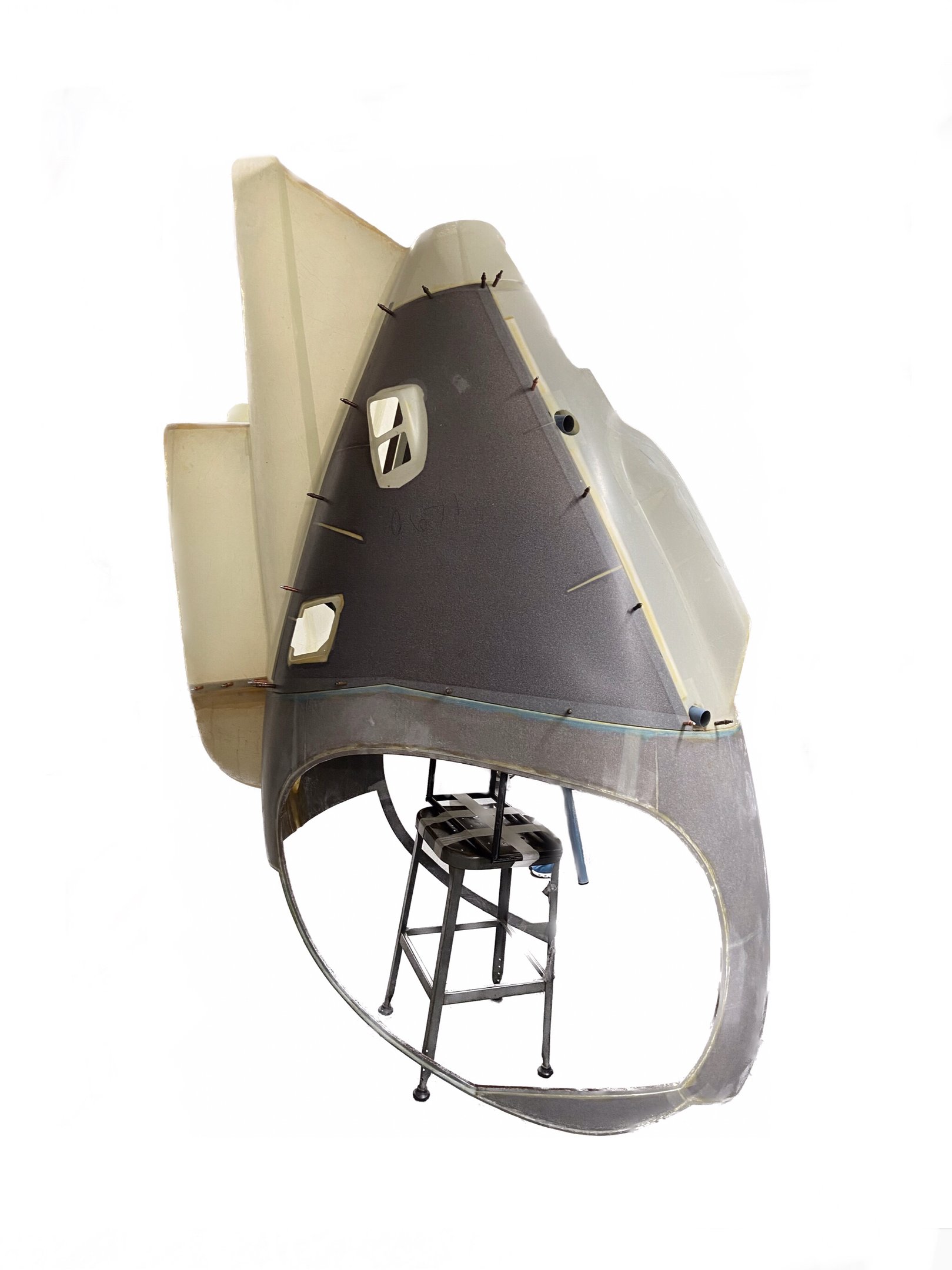
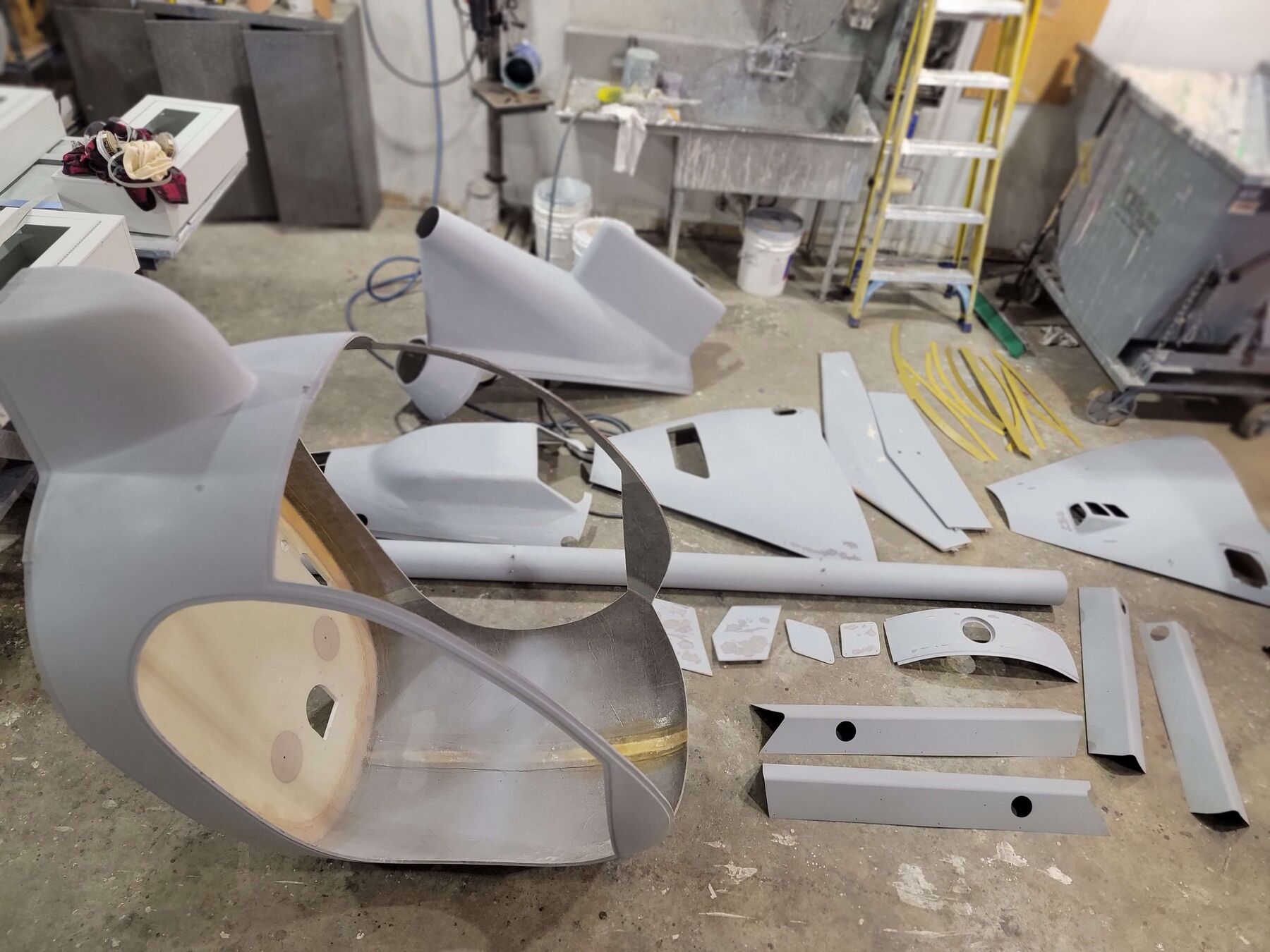
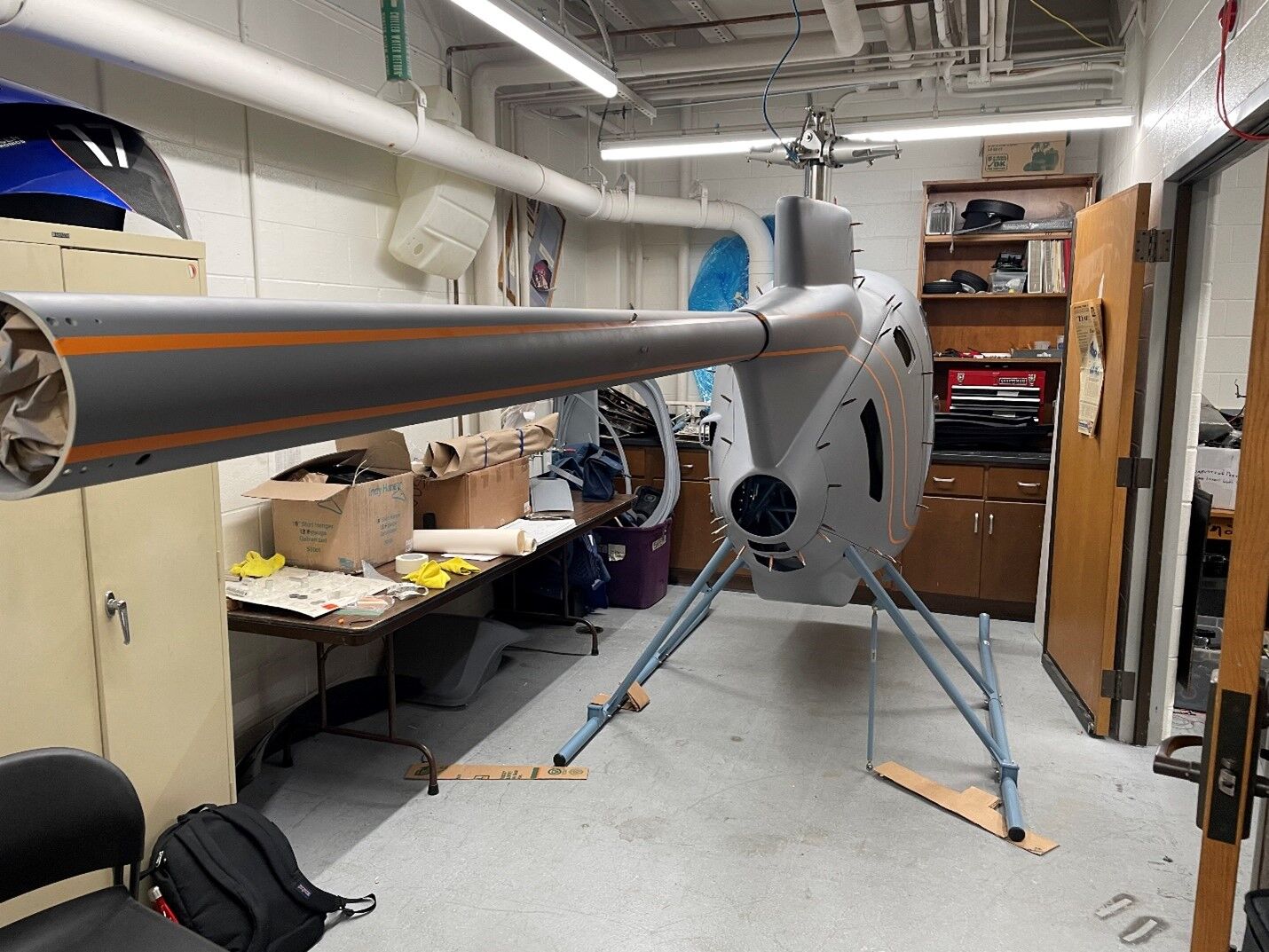
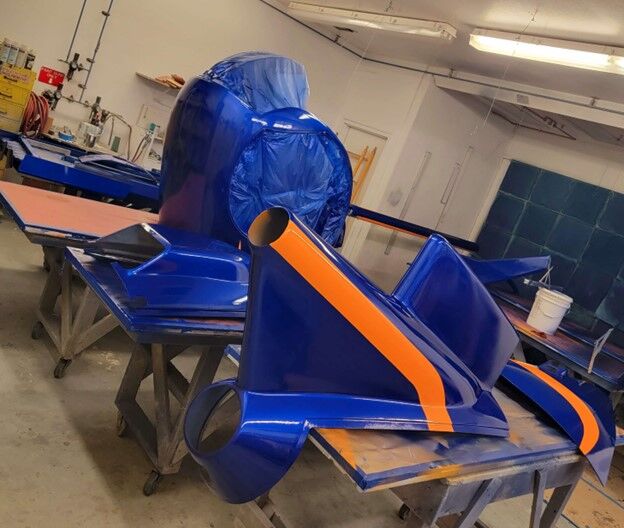
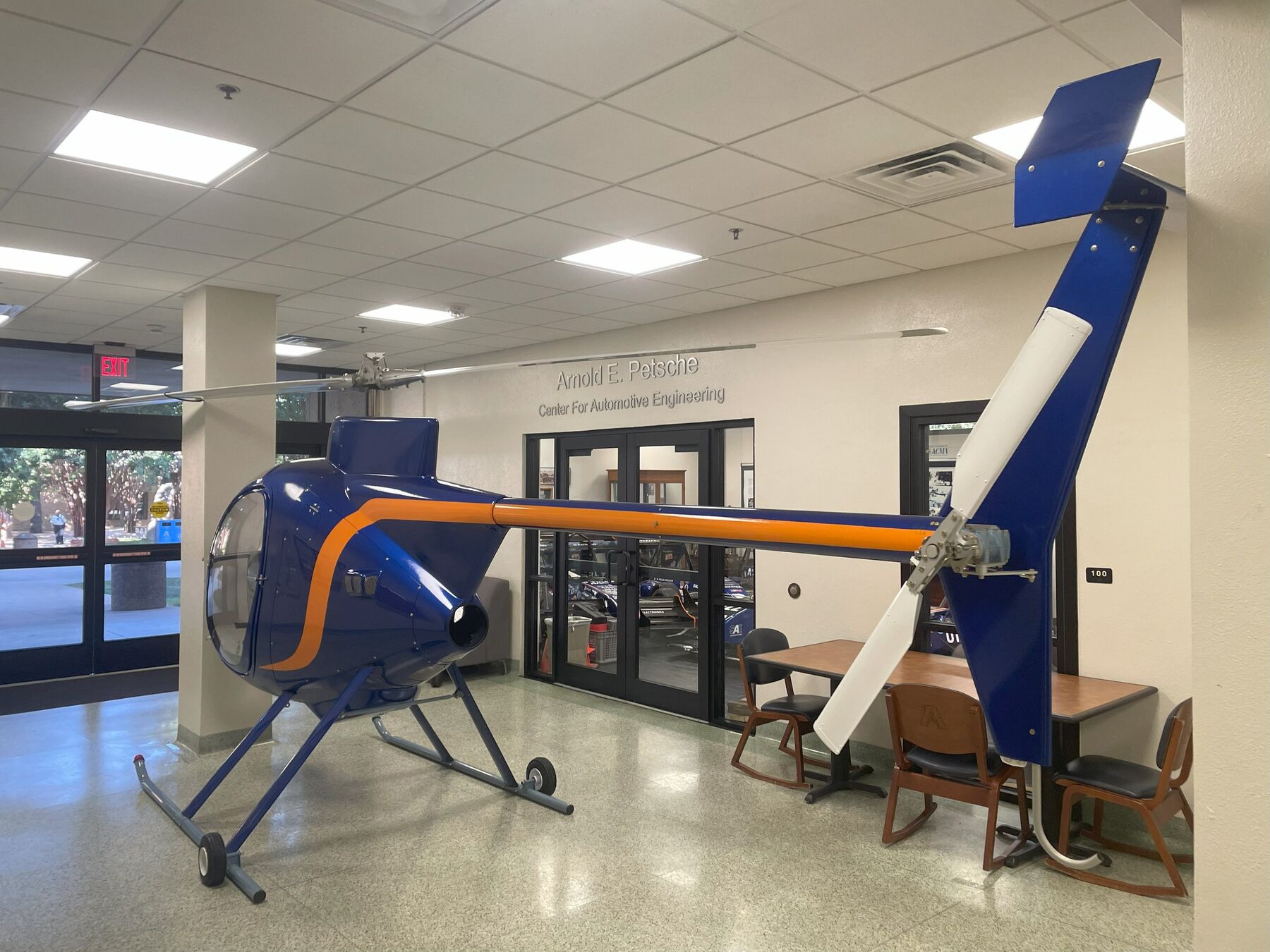
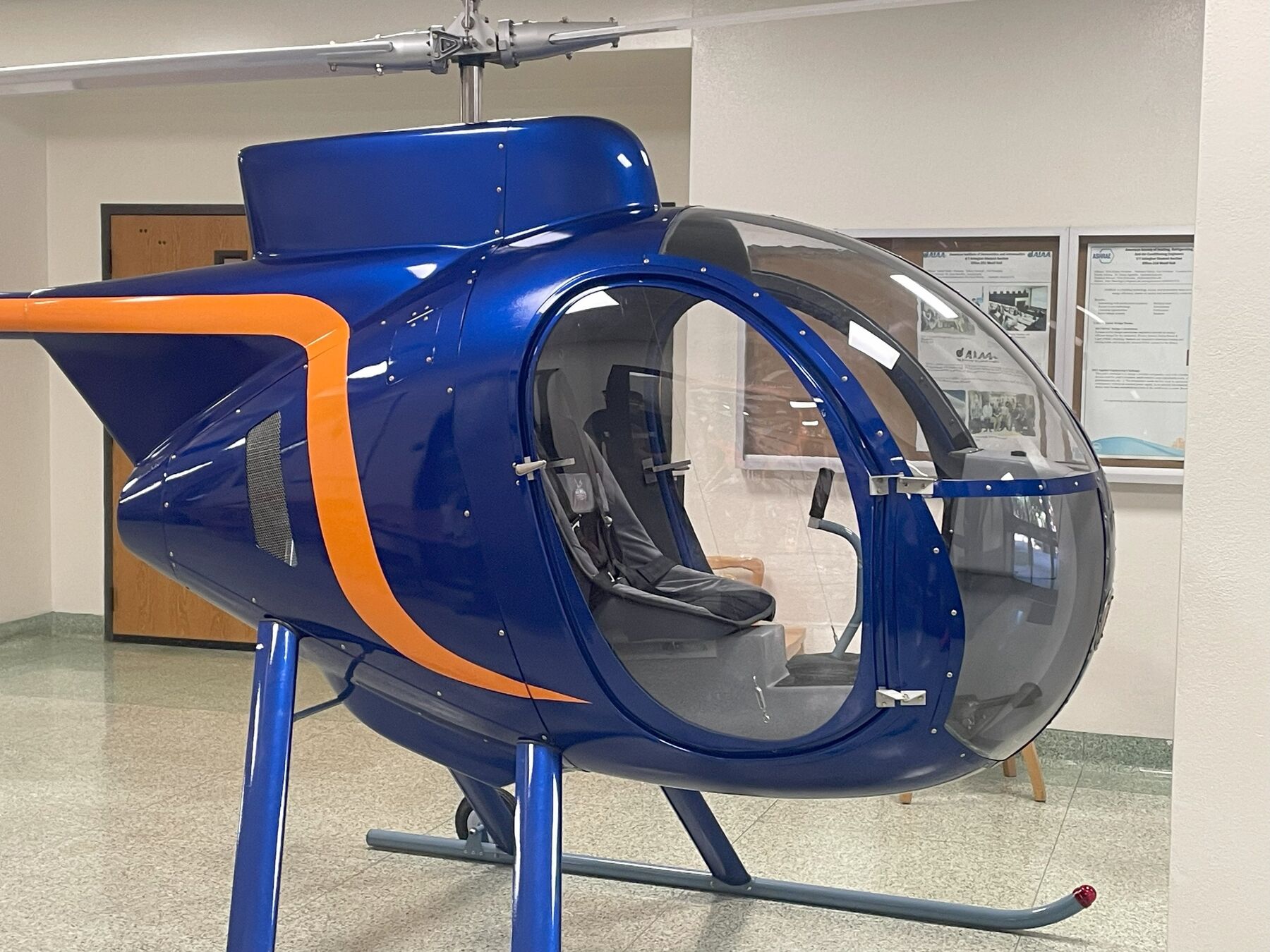
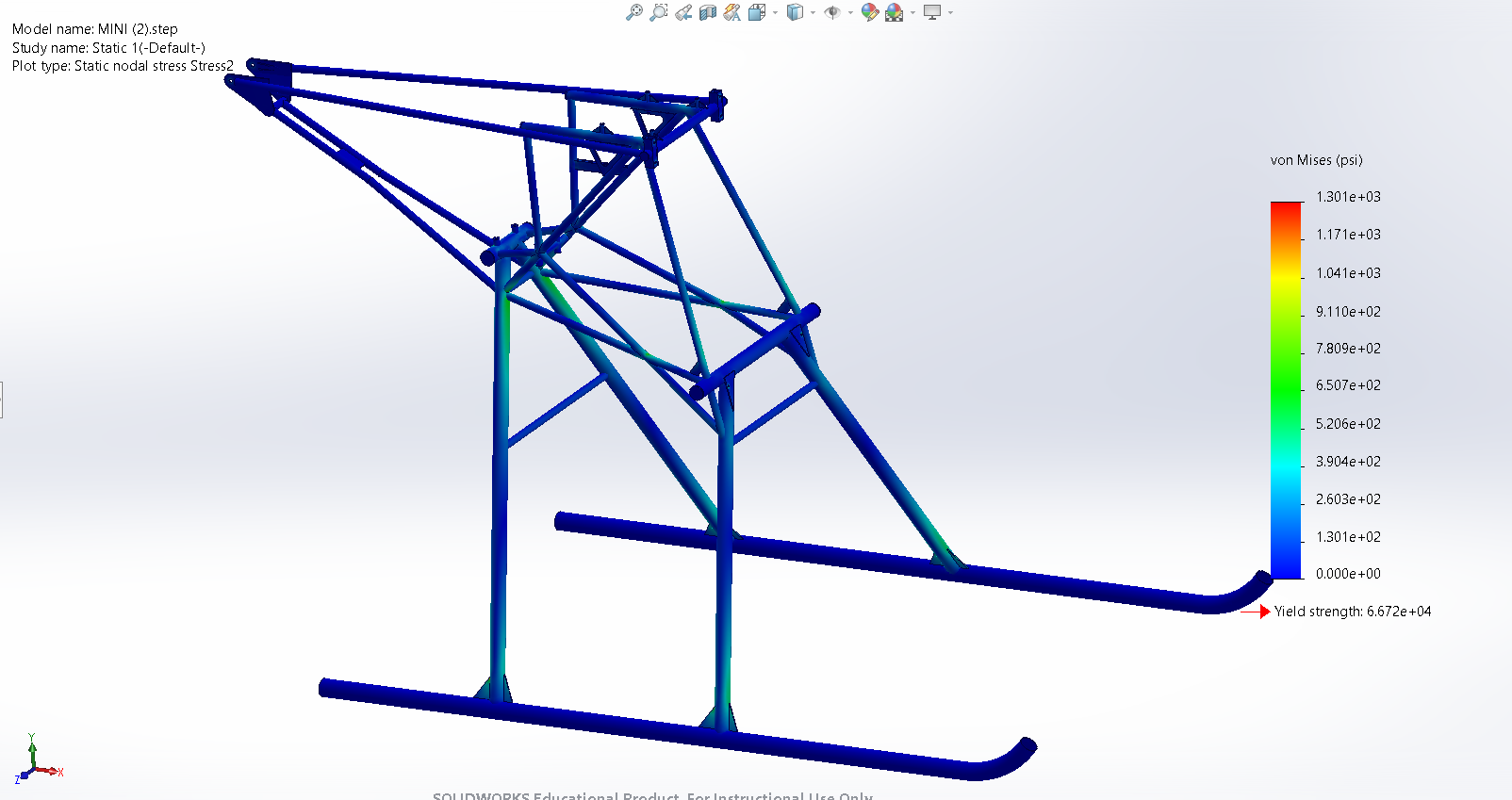
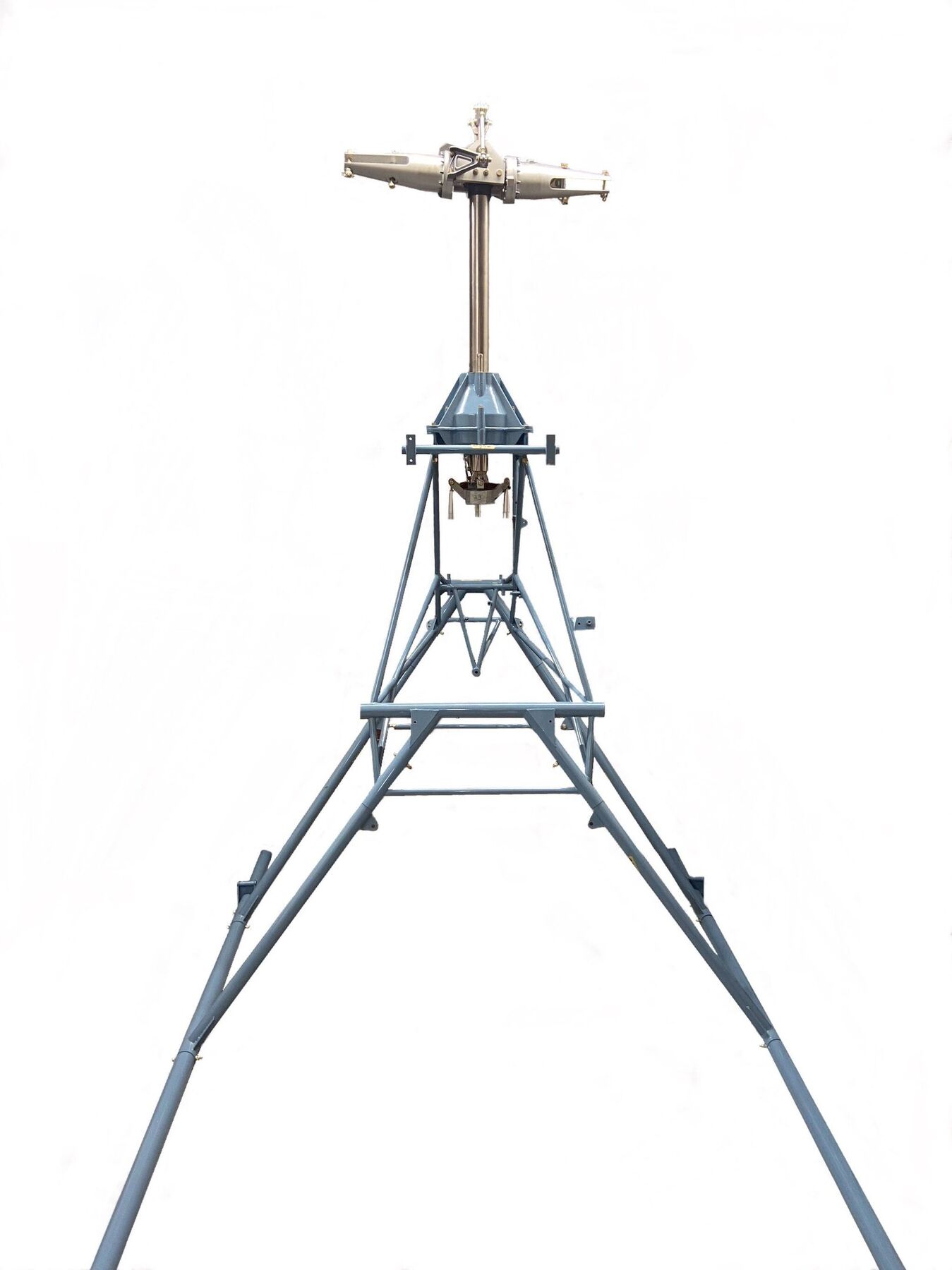
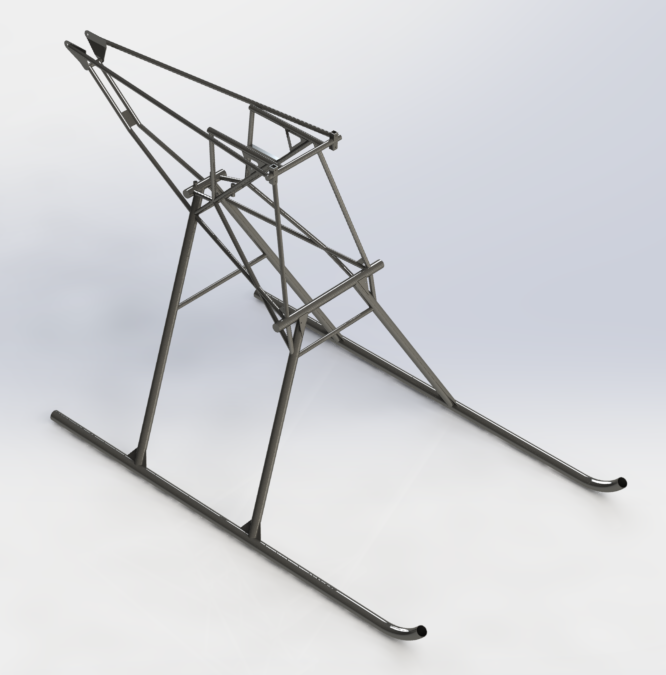
Revolution Mini-500 Helicopter Frame Analysis and Kit Production

What?

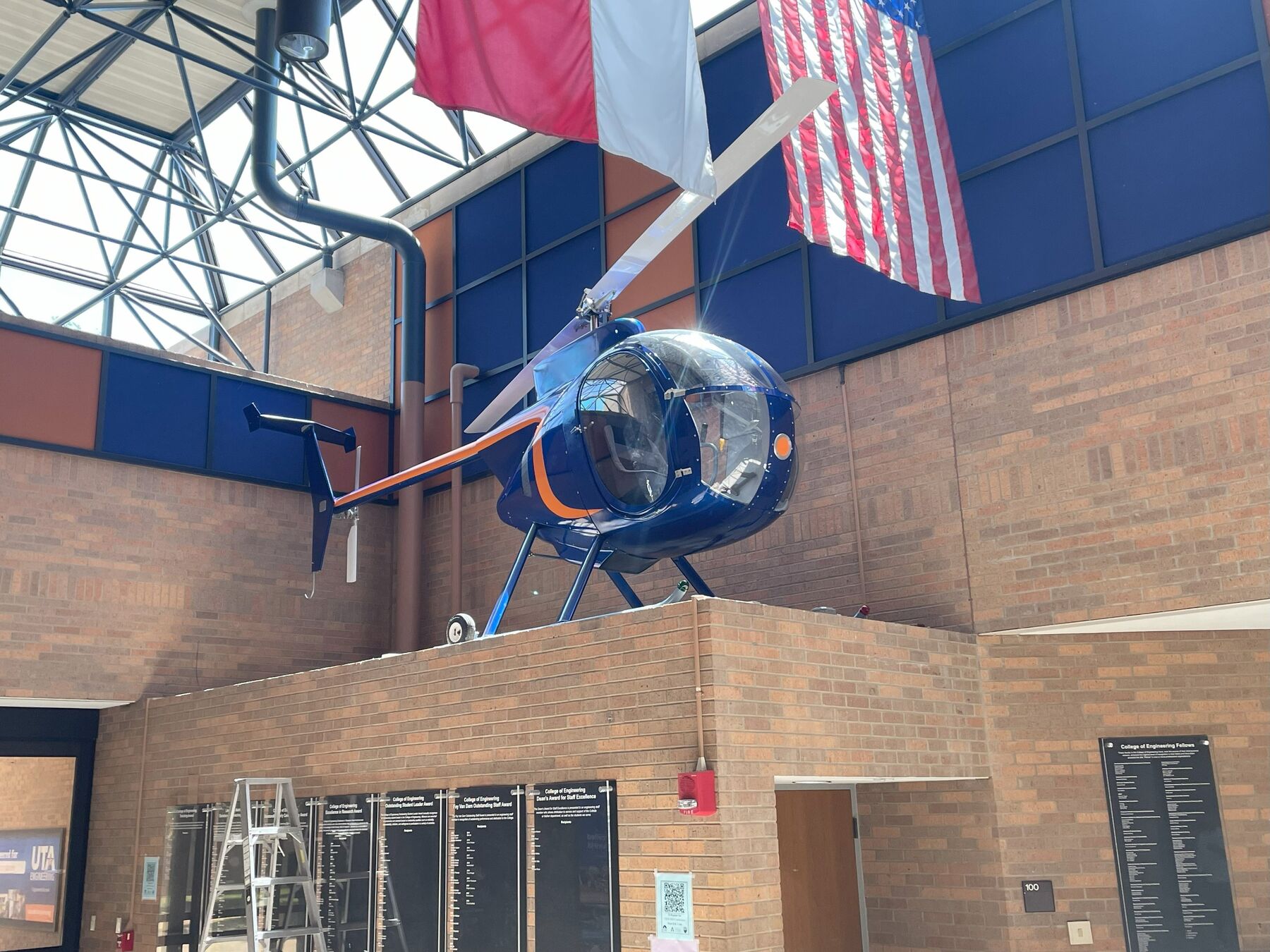
Led a compact team for analyzing, fabricating, painting, and assembling a Revolution Mini-500 helicopter kit to represent UTA engineering pride.

How?

Modeled the weldment frame in SolidWorks from the assembled frame and performed structural analysis to identify potential failure zones. Implemented fabrication modifications, painting, assembly, workflow planning, inspections, corrections, and integration of functional controls.

Results

Presented a finished helicopter as a symbol of UTA Engineering pride, displayed prominently on campus. The work also identified frame failure zones and supported recommendations for fabrication improvements.

05

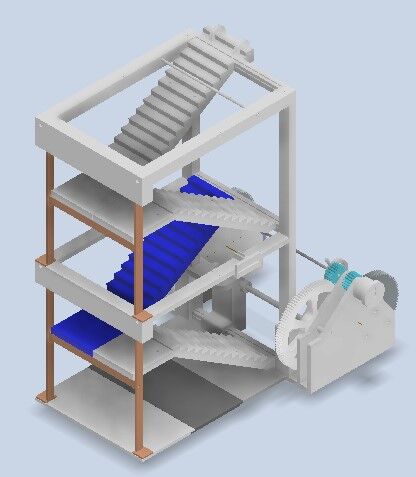
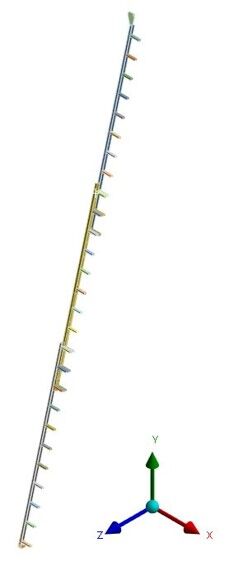
Structural Analysis of 3-Tier Emergency Egress Ladder for Certification

What?

Conducted structural analysis of a three-tier emergency egress ladder to verify compliance with design requirements and support professional engineer approval under emergency loading conditions.

How?

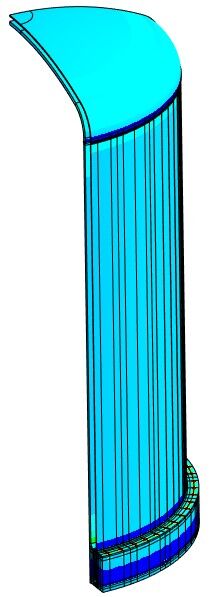
Developed an efficient half-symmetry finite element model using shell elements. Applied realistic boundary conditions, service loads, and safety factors, then evaluated critical stress and deflection responses against allowable limits.

Results

Confirmed that the ladder satisfied structural criteria with stresses and displacements within acceptable limits. The validated analysis and documentation supported PE approval and a certifiable safety rating.

06

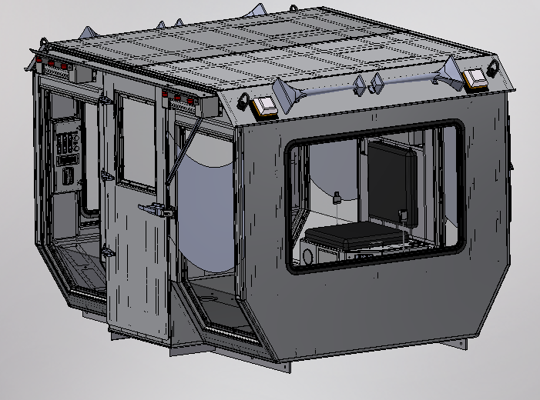
Scaled, Enhanced, and Created Drawing Package for Existing Rail Cab Design Compliant with AAR Standards

What?

Redesigned and scaled a client's railroad cab model to meet new functional and dimensional requirements while improving structural efficiency and maintaining AAR compliance.

How?

Reviewed the original CAD model, identified geometric inefficiencies, and improved manufacturability and structural performance. Maintained AAR Plate C clearance requirements, adjusted key features for new constraints, and completed a manufacturing drawing package in the client's Vault according to established procedures.

Results

Delivered a refined model that met Plate C dimensional constraints, improved structural integrity, simplified fabrication, reduced unnecessary material use, and retained compatibility with existing systems.

07

P.I.D. Ball Balance

What?

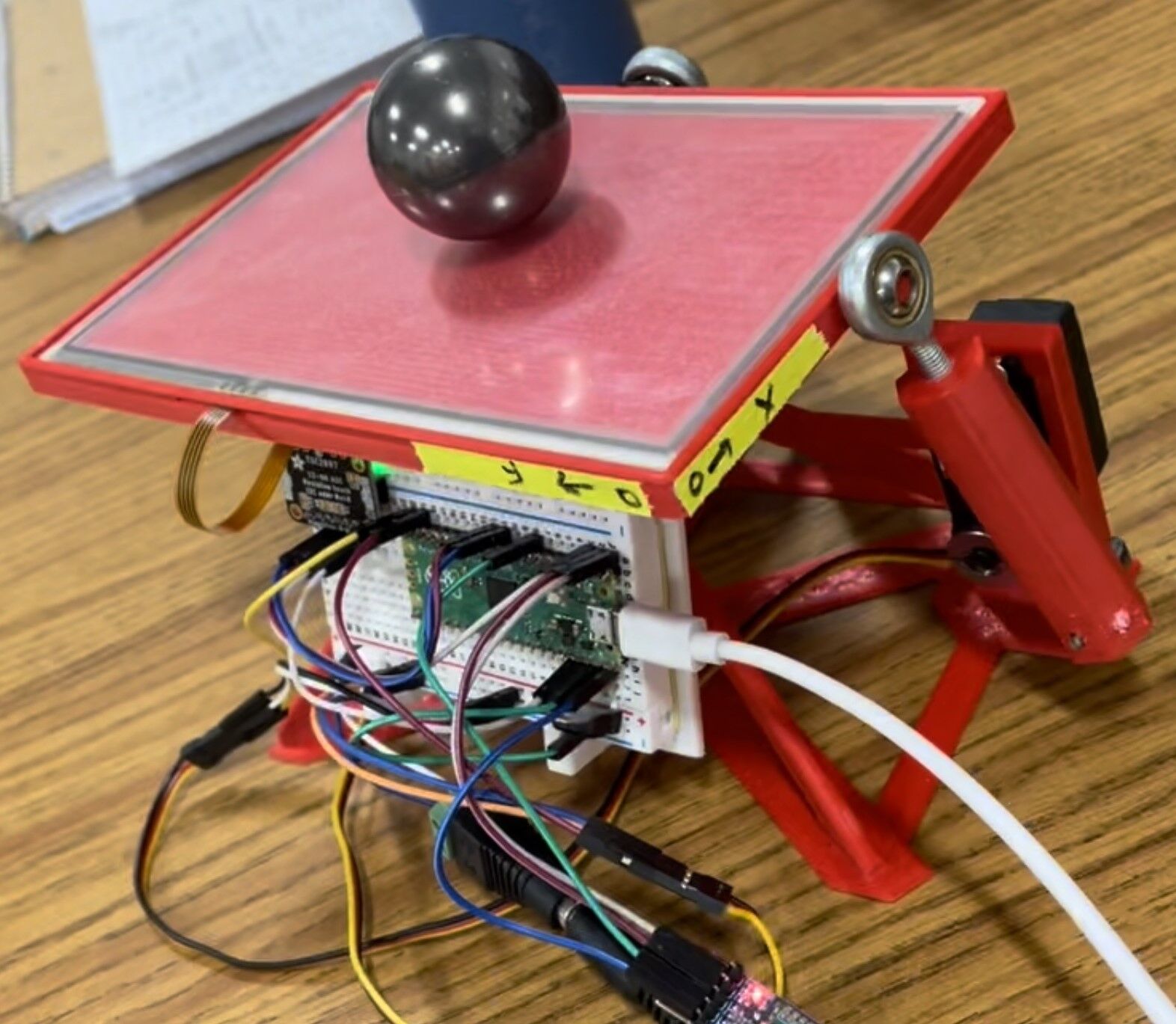
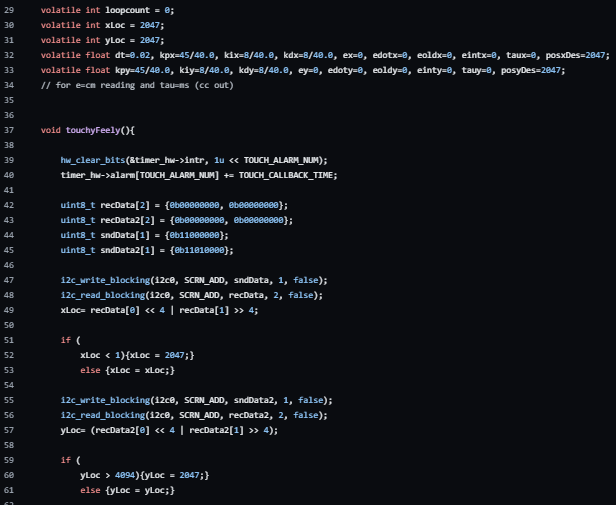
A stainless-steel ball stabilization system using Bluetooth-based selective positioning and a P.I.D. controller, implemented on a Raspberry Pi Pico breadboarded platform.

How?

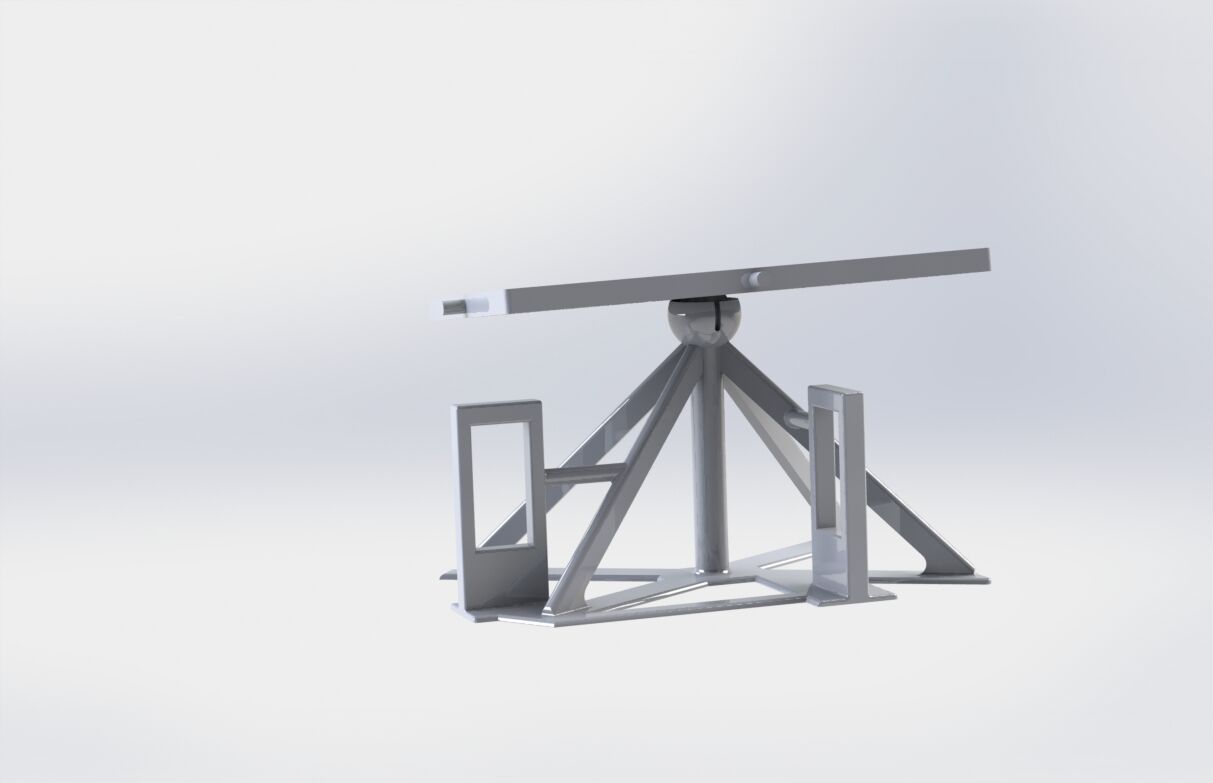
Designed and 3D-printed a component-specific ball-and-socket spherical joint with a stabilized frame, motor mounts, and touchscreen platform. Wrote C-based control software using I2C, PWM, timers, UART, touchscreen input, motor control, and Bluetooth communication.

Results

Produced a functional system that controls motors from UART input and touchscreen readings, enabling precise stainless-steel ball positioning for positional-control applications.

08

3-D Printed Racer

What?

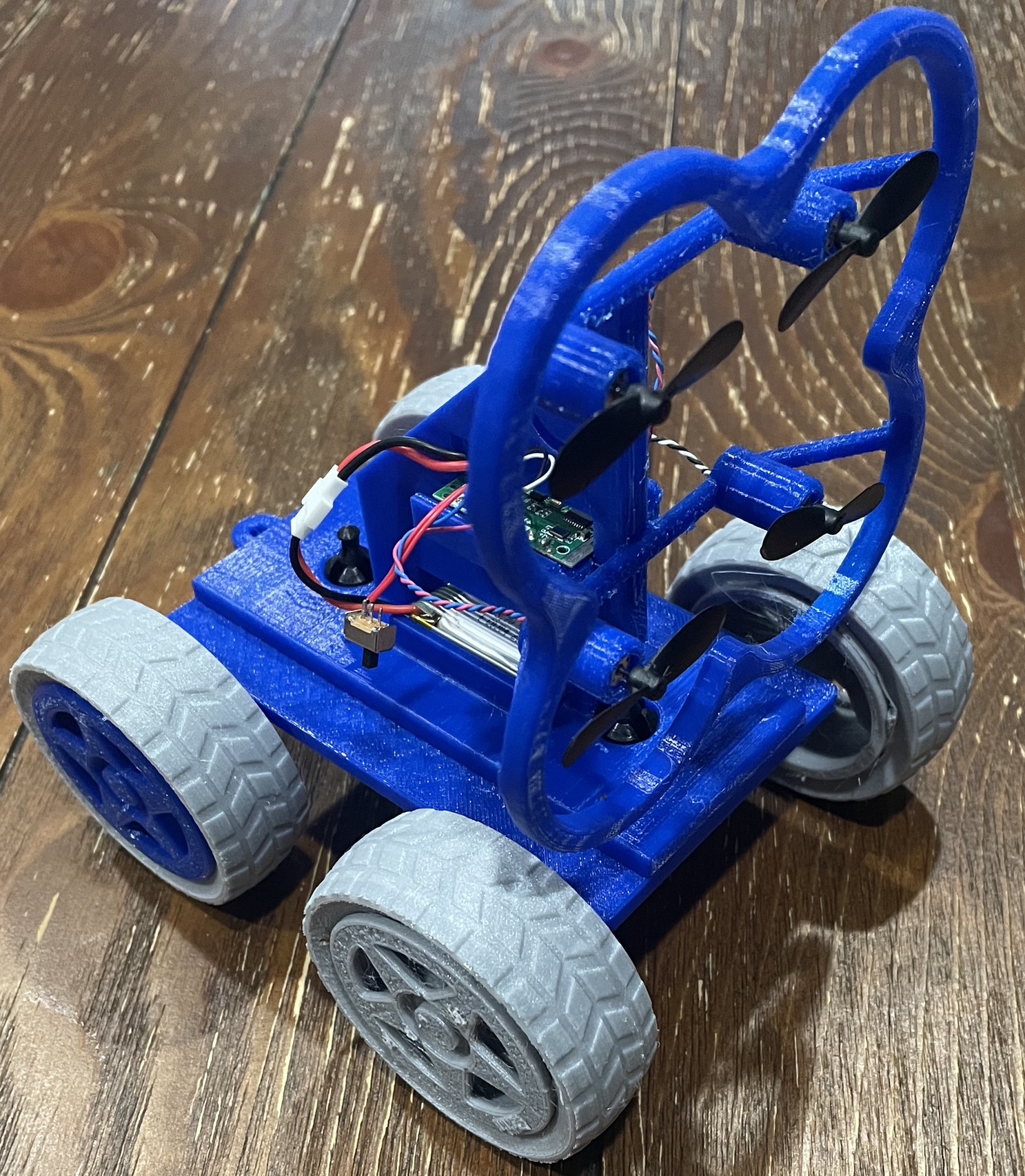
A battery-operated mini vehicle racer built with 3D printing and powered by an airscrew for a class competition.

How?

Developed an original design within weight constraints, integrated commercial off-the-shelf components, and used prototyping, testing, and iterative improvement to increase performance.

Results

Produced a successful competition vehicle whose creative design and careful development delivered strong performance and lasting functionality.